Temporal Analysis Overview: 673872304, 911511481, 8775787552, 9088290335, 37551711, 23399480

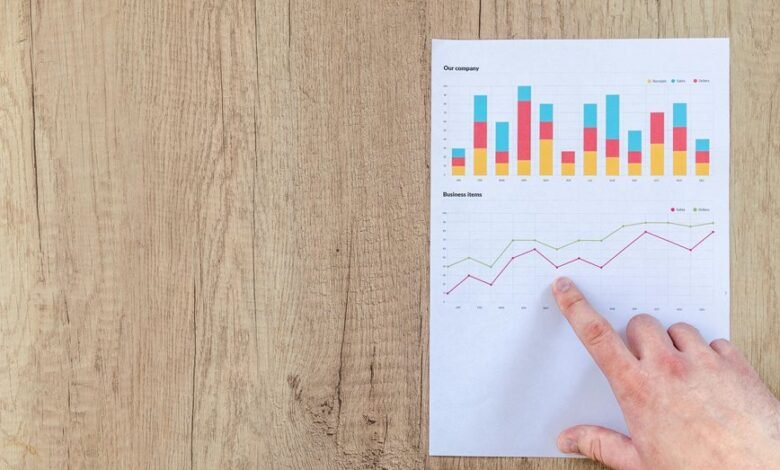
Temporal analysis serves as a critical tool for examining the relationships and trends among various numerical identifiers, including 673872304, 911511481, and others. By scrutinizing these identifiers over defined timeframes, organizations can uncover significant patterns that may influence decision-making. The implications of these findings extend across numerous fields, prompting a closer look at how such insights can transform operational strategies. What specific trends might emerge from this analysis, and how can they impact future operations?
Understanding Temporal Analysis
Temporal analysis refers to the examination of data or events over a specific time frame to uncover patterns, trends, and relationships.
Analyzing the Selected Numerical Identifiers
Numerical identifiers serve as critical components in the analysis of datasets, providing a structured means to categorize and quantify information over time.
By examining the numerical significance of identifiers such as 673872304 and 911511481, one can uncover identifier trends that reveal patterns and correlations.
This analytical approach facilitates a deeper understanding of data dynamics, ultimately empowering informed decision-making in various contexts.
Applications of Temporal Analysis in Various Fields
While various fields increasingly rely on data-driven insights, the application of temporal analysis has emerged as a pivotal method for understanding trends and patterns within datasets.
Time series analysis facilitates data forecasting by identifying event correlations, while trend analysis and pattern recognition enhance decision-making.
Additionally, anomaly detection applications provide critical insights across industries, revealing deviations that may indicate underlying issues or opportunities for improvement.
Insights Gained From Temporal Data Patterns
Understanding the patterns within temporal data can yield significant insights that inform strategic decision-making and operational efficiency.
By analyzing temporal trends, organizations can identify recurring patterns and anomalies. Effective data visualization enhances comprehension of these trends, enabling stakeholders to make informed choices.
Ultimately, leveraging insights from temporal data fosters a culture of adaptability and responsiveness, empowering entities to navigate complex environments with greater agility.
Conclusion
In the realm of temporal analysis, the numerical identifiers serve as stars in a vast galaxy, each illuminating distinct patterns and correlations. By charting their trajectories over time, organizations can navigate the complexities of their operational universe. Just as astronomers decode celestial movements to predict cosmic events, stakeholders can leverage these insights to foster adaptability and drive informed decision-making. Ultimately, the art of temporal analysis transforms raw data into guiding constellations, illuminating pathways for continuous improvement and strategic growth.