Forecast Performance Evaluation Guide: 120126565, 625101009, 1204867528, 615861464, 938135410, 221104

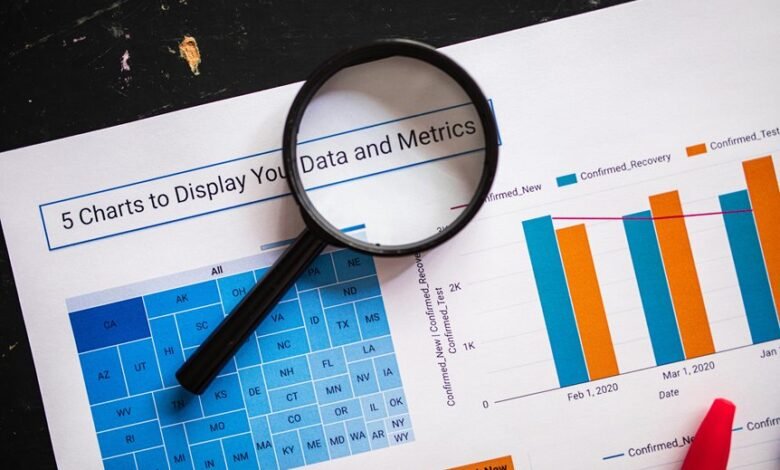
The “Forecast Performance Evaluation Guide” presents a framework for organizations seeking to refine their forecasting methodologies. By systematically assessing forecast accuracy metrics, businesses can identify biases and discrepancies in their models. Moreover, the guide underscores the significance of continuous improvement through feedback loops. This structured approach not only enhances predictive capabilities but also fosters adaptability in dynamic environments. What strategies might emerge as particularly effective in this ongoing evaluation process?
Understanding Forecast Accuracy Metrics
How can organizations effectively assess the reliability of their forecasts?
By analyzing forecast bias and understanding the accuracy limits of their predictions, they can identify discrepancies between expected and actual outcomes.
This evaluation allows for adjustments to forecasting models, enhancing their reliability.
Accurate metrics serve as vital tools, empowering organizations to make informed decisions while embracing the freedom to innovate and adapt.
Techniques for Evaluating Forecast Performance
Evaluating forecast performance requires a systematic approach to ensure that predictions align with actual outcomes.
Techniques such as error analysis facilitate the identification of forecast bias and discrepancies between expected and actual results.
Best Practices for Continuous Improvement
Implementing best practices for continuous improvement in forecast performance is essential for organizations aiming to enhance their predictive accuracy.
Establishing robust feedback loops allows for real-time insights, while fostering a culture of iterative adjustments ensures that forecasting methods evolve with changing conditions.
Case Studies: Successful Forecast Evaluations
Although many organizations struggle with forecast accuracy, several have successfully implemented evaluation strategies that significantly enhance their predictive capabilities.
Real world examples illustrate the effectiveness of these approaches, showcasing how systematic impact analysis can reveal the strengths and weaknesses of forecasting methods.
Conclusion
In conclusion, the “Forecast Performance Evaluation Guide” underscores the vital role of systematic assessment in enhancing forecasting accuracy. By employing various metrics and techniques, organizations can navigate the turbulent waters of uncertainty. Continuous improvement, akin to a compass guiding a ship, ensures adaptability in an ever-evolving landscape. Ultimately, the insights gained from this guide empower businesses to make informed decisions, transforming potential pitfalls into opportunities for growth and success in their forecasting endeavors.